17. Learn by yourself or with a teacher?
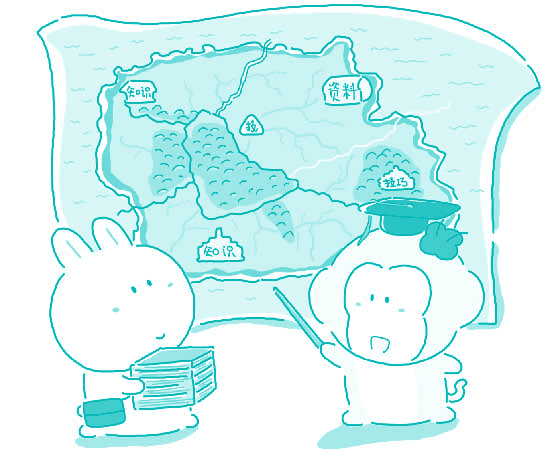
Whether we need a teacher or not depends on circumstances. The relationship between a teacher and a new subject is somewhat similar to that between a tour guide and an unknown city.
When we come to an unknown city for the first time, we definitely need a tour guide. We might have a detailed map, but it is unlikely functional—it isn't surprised that we can hardly interpret those mysterious symbols. Likewise, when we are beginners, it is wise to learn with teachers. They can tell us where to begin with, what we should do, and which reference we should choose. When we confront difficulties, we can ask them for help, and their advices will always be tremendously helpful. With teachers' assistance, we might learn easier, faster, and more interestingly.
After a period of time, we have learned a lot. We now know the city pretty well, even though there are still many places we haven't been to. It doesn't matter. Now that we are able to recognize those mysterious symbols on the map, what we need perhaps is not a tour guide but a more detailed map. Similarly, we need richer references for learning. Yes, there are still many fields unexplored; they are, nevertheless, no longer puzzling. The task is simple: we will explore them one by one, little by little. If we are working on a certain skill, practice more; if we are preparing a test, practice more; whatever we are learning, what is always to bear in mind is that, like people always say, practice makes perfect.
After another period of time, we might have become others' tour guide, but we still want to make out more. We want to know which restaurant is the most decent, which bookstore is the most professional, which coffee shop is the most classical. Even the most comprehensive map doesn't have adequate information. We again need experts. In learning, it's much the same. We need experts to consult for specific problems. Furthermore, the most beneficial merit of consulting experts is that we can not merely refer to them but even discuss with them in depth. As is often the case, a solution for a complex matter is not waiting for us right there and then, sometimes it comes out of inspirations of discussion.
In short, having a good teacher is always better than having none, but the importance of a teacher varies from period to period, and more often than not depends on different stage in which we are learning.
译文
17. 自学还是从师?
我们是否需要一位老师要依情况而定。老师与新的科目之间的关系有点像导游与未知城市之间的关系。
当我们第一次到一座未知的城市时,我们当然需要一位导游。我们可能会有一幅详细的地图,但它好像不太起作用——我们几乎很难理解那些神秘的符号,这一点也不令人惊奇。同样地,当我们是初学者时跟随老师学习是很明智的。他们可以告诉我们从哪里开始、该做什么、该选哪些参考书。当我们遇到困难时,可以向他们求助,他们的建议总是会对我们极有帮助。有了老师的协助,我们可以学习得更轻松、更快速、更有趣。
过了一段时间,我们已经学了很多了。我们现在已经很了解这座城市了,尽管有很多地方我们还没去过,但这没关系。既然我们已经能够认识地图上那些神秘的符号了,我们需要的可能就不是导游而是一张更详细的地图了。同样地,我们需要更丰富的参考资料来学习。是的,还有很多没有探索过的领域,然而它们已经不再让人迷惑了。任务很简单:我们要一个一个、一点一点地探索它们。如果我们是在学习某种技巧,那就勤加练习;如果我们是在准备考试,那就多做练习。不论我们正在学习什么,需要永远记住的就是人们常说的:熟能生巧。
又过了一段时间,我们可以做别人的导游了,但是我们还想学得更深。我们想知道哪家餐馆是最体面的,哪家书店是最专业的,哪家咖啡店是最经典的。即便最全面的地图也没有恰当的答案。我们又一次需要专家了。在学习上也大体相同。我们需要专家来请教特定的问题。此外,咨询专家最大的好处就在于我们不仅可以求助于他们,还可以与他们进行深入探讨。通常的情况就是,一件复杂事物的解决方案不会在那里等着我们,有时候它来自讨论时的灵感。
简而言之,有一位好老师总比没有要好,老师的重要性在每个时期都会不同,更多地是取决于我们处在学习的哪个阶段。
Word List
- circumstance [ˈsə:kəmˌstæns] n. 环境,详情,境况
- comprehensive [ˌka:mpriˈhensiv]adj. 全面的,广泛的
- interpret [inˈtə:prit] v. 把…理解为
- specific [spiˈsifik] adj. 特定的
- mysterious [miˈstiriəs] adj. 神秘的
- consult [kənˈsʌlt] v. 请教
- reference [ˈrefərəns] n. 参考书目
- complex [kəmˈpleks] adj. 复杂的
- functional [ˈfʌŋkʃənəl] adj. 起作用的
- beneficial [ˌbenəˈfiʃəl] adj. 有益的,受益的
- puzzling [ˈpʌzəliŋ] adj. 令人迷惑的,使莫名其妙的
- merit [ˈmerit] n. 优点,价值
- confront [kənˈfrʌnt] vt. 面临,对抗
- inspiration [ˌinspəˈreiʃən] n. 灵感
- decent [ˈdi:sənt] adj. 相当好的,像样的