4. Which is more important, book knowledge or experience?
In general, knowledge gained from books has a wider range than that gained from experience. We now live in a world that typophile is no longer exorbitant, and that printed matters are readily available. In libraries, we can learn nearly everything only if we have already acquired basic reading skills, philosophy, history, literature, physics, mathematics, chemicals, biology, geography, anthropology, and the list will go on. Unlike the experience of an individual that is limited by the range of that individual, books seem to have almost no limitation. Sitting in the local library, we virtually can travel everywhere through an interesting geographic encyclopedia, and certainly, with nearly no expense at all.
On the other hand, it can be argued that sometimes knowledge gained from experience is much deeper and more comprehensive than that gained from books. It is quite true that not every thing is contained in books. How to deal with personal finance, how to cope with current social trends, even how to most effectively organize our own mind, and numerous other things can seldom be found thoroughly and comprehensively discussed in books, we have to gain the knowledge by our own experience. And the sad news is that even some knowledge that is contained in books usually needs further comprehension, mainly through experience.
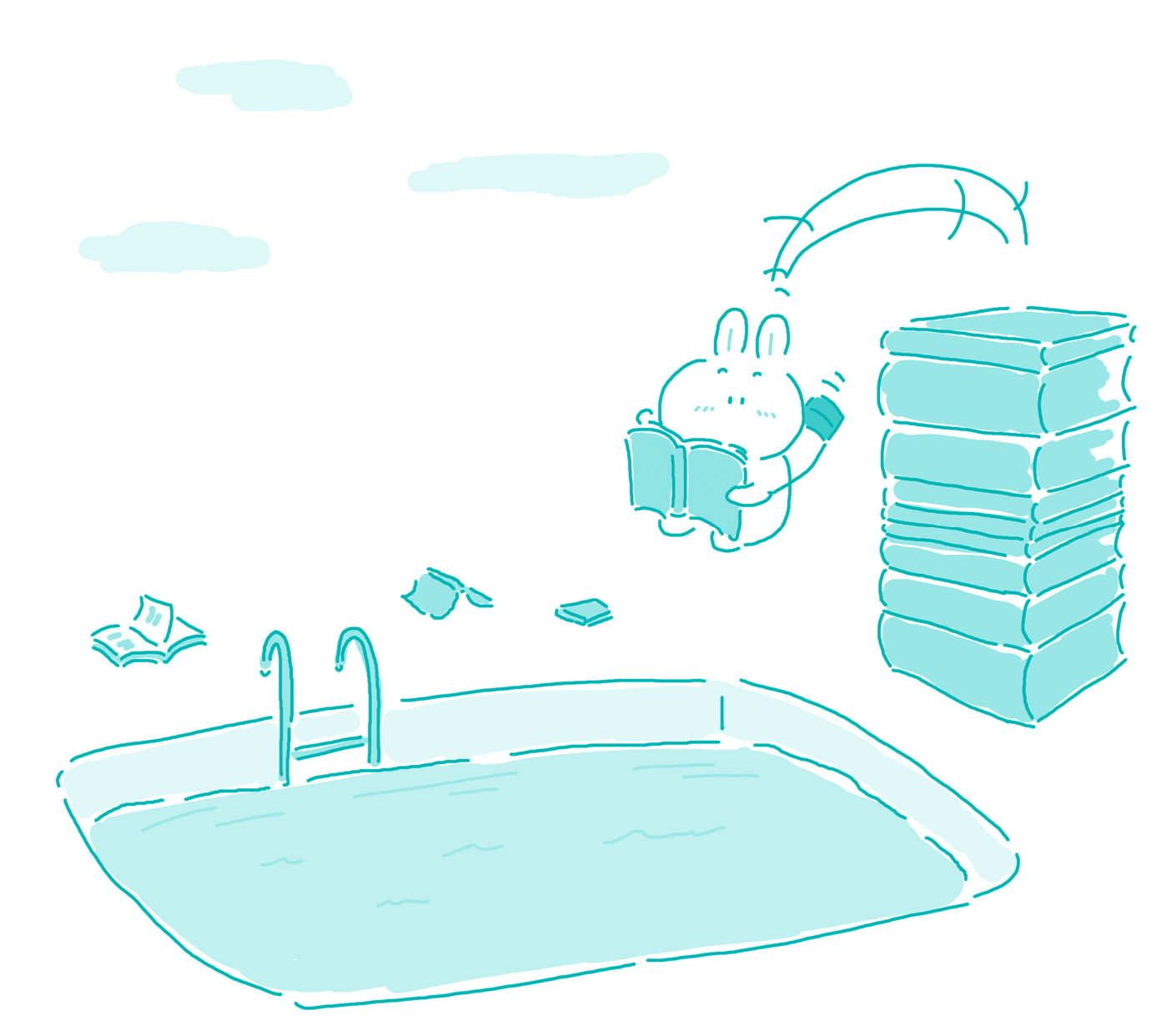
As to which source is more important, the answers vary. Some knowledge can be acquired only through books. It's hard to imagine we can have a good understanding of history without reading books. On the other hand, some knowledge can be obtained only through experience. When we try to learn to swim, merely a detailed manual of swimming skills, even abundantly filled with illustrations, is at most useless. We have to jump into the water and then gain the knowledge with experience. We have to use books and experience as source simultaneously to get what we want to know. Take learning physics for example, both books and experiences are equally important sources, and examples as such are numerous. Therefore, I think whether one source is more important than the other depends on circumstances.
译文
4. 书本知识与经验哪个更重要?
总地说来,从书本上获得的知识要比从经验中获得的范围广。我们生活在一个印刷不再昂贵的时代,印刷品唾手可得。在图书馆里,只要我们掌握了基本的阅读技巧我们就可以学到几乎任何东西,哲学、历史、文学、物理、数学、化学、生物、地理、人类学等不胜枚举。不像某个人的经验只限定在那个人的范围之内,书本几乎没有限制。坐在当地的图书馆里,我们实际上可以通过一本有趣的地理百科全书游览任何地方而无须支付任何费用。
另一方面,也有人说,有时候从经验学来的知识比从书本上学来的更深刻和更易理解。确实,书里并不包含所有的事情。如何处理个人的财务问题、如何应对当今的社会潮流、甚至如何更有效地组织我们的思维,还有数不清的其他事是书本所无法透彻和全面地讨论的,我们不得不靠自己的经验去获得这些知识。不好的消息是,即使书本里包含一些知识通常也需要进一步理解,主要是通过经验。
至于哪一种来源更重要,有很多不同的答案。有些知识只有通过书本才可以获得。很难想像我们不读书就能很好地理解历史。另一方面,有一些知识只能通过经验获得。当我们试着学习游泳时,仅仅靠一本详细的游泳技术指南是毫无用处的,即使里面充满了插图。我们不得不跳入水中靠经验获得知识。我们必须同时使用书本和经验来作为获取知识的来源。以学习物理为例,书本和经验是同等重要的资源,这样的例子数不胜数。因此我认为,一种资源是否比另一种更重要要依情况而定。
Word List
- range [rendʒ] n. 范围
- comprehensive [ˌka:mpriˈhensiv] adj. 全面的,综合的
- typophile [ˈtaipəˌfail] n. 印刷品
- exorbitant [igˈzɔ:bitənt] adj. 昂贵的
- numerous [ˈnu:mərəs] adj. 许多的,难以计数的
- philosophy [fiˈla:səfi] n. 哲学
- literature [ˈlitərətʃə] n. 文学
- simultaneously [saiməlˈteinjəsly] adv. 同时地
- mathematics [ˌmæθəˈmætiks] n. 数学
- anthropology [ˌænθrəˈpa:lədʒi]n. 人类学
- circumstance [ˈsə:kəmstæns] n. 情况,环境
- encyclopedia [enˌsaikləˈpi:diə] n. 百科全书